

Do footwear adhesives and primers work on synthetic materials?
Aug 12, 2025
When it comes to the footwear industry, the question of whether footwear adhesives and primers work on synthetic materials is of paramount importance. As a leading supplier of footwear adhesives and primers, I've witnessed firsthand the transformative power of these products on a wide range of synthetic materials. In this blog post, I'll delve into the science behind footwear adhesives and primers, explore their effectiveness on synthetic materials, and share some insights based on our extensive experience in the industry.
The Science Behind Footwear Adhesives and Primers
Before we discuss their effectiveness on synthetic materials, let's first understand what footwear adhesives and primers are and how they work. Footwear adhesives are substances used to bond different components of a shoe together, such as the sole to the upper. Primers, on the other hand, are applied before the adhesive to prepare the surface, improving the adhesion strength and durability of the bond.
The key to a successful bond lies in the chemical interaction between the adhesive, primer, and the material surface. Adhesives work by forming strong intermolecular forces with the material, such as van der Waals forces, hydrogen bonds, or covalent bonds. Primers enhance this interaction by modifying the surface properties of the material, making it more receptive to the adhesive.
Synthetic Materials in Footwear
Synthetic materials have become increasingly popular in the footwear industry due to their durability, flexibility, and cost - effectiveness. Common synthetic materials used in footwear include polyurethane (PU), polyvinyl chloride (PVC), thermoplastic elastomers (TPE), and synthetic leathers. These materials have unique surface properties that can pose challenges for bonding.
For example, some synthetic materials have low surface energy, which means they are difficult to wet with adhesives. This can result in poor adhesion and a weak bond. Additionally, the chemical composition of synthetic materials can vary widely, which requires adhesives and primers to be formulated specifically to work with different types of synthetics.
Effectiveness of Footwear Adhesives and Primers on Synthetic Materials
Our company has developed a wide range of adhesives and primers designed to work effectively on synthetic materials. Let's take a closer look at how our products perform on different types of synthetics.
Polyurethane (PU)
PU is a versatile synthetic material used in shoe soles, insoles, and uppers. Our adhesives and primers are formulated to penetrate the porous surface of PU and form strong bonds. Our Waterbased Rubber Sole Primer for Footwear Shoes is particularly effective on PU soles. It contains special additives that improve the wetting of the PU surface, ensuring a strong and durable bond with the adhesive.
Polyvinyl Chloride (PVC)
PVC is another commonly used synthetic material in footwear. However, PVC can be challenging to bond due to its plasticizers, which can migrate to the surface and interfere with the adhesion process. Our primers are designed to neutralize the effects of plasticizers and create a stable surface for bonding. The Polyamine Hotmelt Roll for Back Shoe Lasting is a great option for bonding PVC components. It has excellent heat resistance and can withstand the stress and strain during the shoe - making process.
Thermoplastic Elastomers (TPE)
TPE is a group of materials that combine the properties of plastics and elastomers. They are known for their flexibility and elasticity. Our adhesives and primers for TPE are formulated to maintain the flexibility of the material while providing strong adhesion. The Phylon Sole Uv Primer for Footwear is ideal for TPE soles, as it can be cured quickly under UV light, reducing production time and improving efficiency.
Synthetic Leathers
Synthetic leathers are often used as a cost - effective alternative to genuine leather. They have a smooth and non - porous surface, which can be difficult to bond. Our primers are designed to roughen the surface of synthetic leathers slightly, increasing the surface area for adhesion. This allows our adhesives to form a strong bond with the synthetic leather, ensuring long - lasting performance.
Case Studies
To illustrate the effectiveness of our adhesives and primers on synthetic materials, let's look at some real - world case studies.
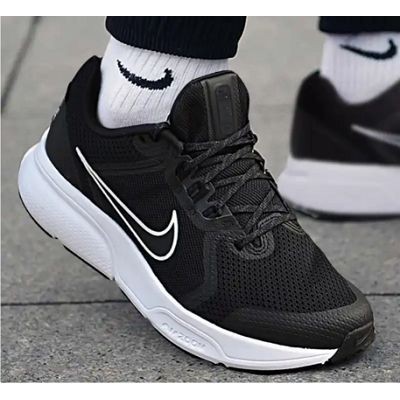

A major footwear manufacturer was experiencing issues with bonding PU soles to synthetic leather uppers. The bonds were weak, and the shoes were failing during quality control tests. After consulting with our technical team, they switched to our Waterbased Rubber Sole Primer for Footwear Shoes and a compatible adhesive. The result was a significant improvement in bond strength, and the number of defective shoes was reduced by over 80%.
Another client was using PVC insoles in their shoes and was facing problems with delamination. Our Polyamine Hotmelt Roll for Back Shoe Lasting was recommended. The new adhesive and primer combination provided a strong and durable bond, eliminating the delamination issue and improving the overall quality of the shoes.
Factors Affecting Bonding Performance
While our adhesives and primers are designed to work effectively on synthetic materials, several factors can affect the bonding performance. These include surface preparation, application method, curing conditions, and environmental factors.
Proper surface preparation is crucial for achieving strong bonds. The surface of the synthetic material should be clean, dry, and free of contaminants such as dust, oil, or mold release agents. Our technical team can provide guidance on the best surface preparation methods for different types of synthetic materials.
The application method also plays a significant role in bonding performance. Adhesives and primers should be applied evenly and at the correct thickness. Over - application or under - application can lead to poor adhesion. Our products come with detailed application instructions to ensure optimal performance.
Curing conditions, such as temperature and humidity, can affect the curing process of adhesives and primers. It is important to follow the recommended curing conditions to achieve the best results. Environmental factors, such as exposure to moisture or chemicals, can also impact the long - term durability of the bond.
Conclusion
In conclusion, footwear adhesives and primers can work effectively on synthetic materials when they are formulated correctly and used in conjunction with proper surface preparation and application techniques. Our company is committed to providing high - quality adhesives and primers that meet the diverse needs of the footwear industry.
If you are looking for reliable adhesives and primers for your synthetic footwear products, we invite you to contact us for a consultation. Our technical team can help you select the right products for your specific application and provide support throughout the bonding process. We look forward to working with you to create high - quality, durable footwear products.
References
- Bartels, R. M. (2019). Adhesion Science and Engineering: Surfaces, Chemistry, and Applications. Elsevier.
- Mittal, K. L. (Ed.). (2018). Handbook of Adhesion Promotion: Technology, Applications, and Markets. CRC Press.
- Prime, R. B., & Liepins, R. (1972). Surface energy and the contact angle of polymers. Journal of Applied Polymer Science, 16(1), 59 - 74.